Oct 15
Guest Opinion: How Los Angeles hospital failed me, other trans patients
Lu Lukah Orona READ TIME: 4 MIN.
I was 17 when I began my medical transition at Children’s Hospital Los Angeles. It had taken over a year of fighting through referrals, canceled appointments, and “we don’t do that here” dismissals before CHLA became an avenue for freedom. CHLA gave me what other clinics had refused: the dignity of choice, and with it, the chance to feel at home in my own body.
For years, my body felt foreign. I had no real sense of home, safety, or connection until I began testosterone. A year later, CHLA opened the door to top surgery. I took my first full breath – free from the chest binders I had worn for years, and free from the deeper binds of a health care system that had long denied me care. CHLA was the first place I felt truly safe and affirmed.
I still remember my first consult: hands trembling, bracing to be turned away again. Instead, I was met with respect. I cried the moment I injected my first dose of testosterone, overwhelmed with joy and relief. It was a long-awaited step toward a freedom I’d once believed was impossible.
Within months, the suicidal thoughts that had haunted me began to loosen their grip. For the first time, I wasn’t just enduring life, I was living it. I noticed things others take for granted: the warmth of the sun on my skin, the ease of laughing with friends, the quiet joy of simply being present in my body. CHLA became my lifeline.
This summer, that lifeline was cut.
In July, CHLA announced it would no longer provide gender-affirming care – not only to trans youth, but to young adults like me. At 23, after half a decade of continuity on testosterone, I was suddenly told that the care I depended on was no longer available at the only clinic I trusted.
The cruelty lies in the double standard: cisgender patients at CHLA still receive hormones, surgeries, and gender-related care, while trans patients are barred solely because we are trans. Although CHLA framed its retreat as a restriction for minors, I stand as living proof that young adults are also being abandoned, with consequences that are immediate and devastating.
Losing CHLA doesn’t just mean finding a new doctor; it means starting over in a system where affirming care is scarce, waitlists are months long, and navigating insurance feels like combat. I know the cost of disruption all too well: when I once lost access to testosterone due to an insurance lapse, my periods returned, my hormonal balance collapsed, and my mental health deteriorated. It took half a year before I felt stable again.
This is not simply about logistics; it is about trust. Trans people already bear disproportionate rates of depression, anxiety, and medical trauma. Forcing us to fight relentlessly for care compounds the harm, deepening the sense that our lives are treated as conditional. When an institution like CHLA turns its back, the message is unmistakable: our health is negotiable, our survival expendable.
That is why accountability cannot wait. If one clinic falters, others must rise. Health care leaders cannot claim allyship in times of ease only to retreat under political pressure. We need a new standard of leadership – public, sustained, and binding commitments not to abandon trans patients when controversy swells. Symbolic gestures are not enough. This moment demands a framework of accountability, structural commitments, and protections that transcend individual courage.
The charge is not only for medical institutions but for policymakers and the public as well. Gender-affirming care is not fringe or elective; it is evidence-based, essential, and life-saving. To treat it as optional is to gamble with lives like mine and those of countless others who are now being turned away. And this is not confined to youth. It impacts adults as young as 18 and as old as 23, who are suddenly stripped of care mid-treatment.
We cannot allow this to be reduced to a policy debate or a headline while trans people are forced back into closets of pain and silence. CHLA may have abandoned us, but I refuse to vanish from my own health care.
We deserve a future in which trans people do not merely survive but thrive. That future is not an abstraction; it is possible, and the fight for it begins now.
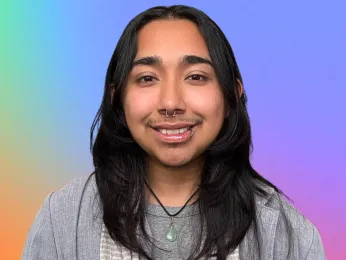
Lu Lukah Orona (he/they) is a Latine trans man who embraces gender fluidity and challenges binary norms. He currently works as an organizer with the California LGBTQ+ Health and Human Services Network, where he advocates for the safety, well-being, and visibility of LGBTQIA+ communities in all spaces.
A lifelong creative, Orona grew up knowing there was more to life than what was told and allowed of him, leading him to reimagine his identity beyond conformity and expectation. Beginning his social transition at 13 and his medical transition at 17, Orona found language and resources for his identity and well-being. Through his work and art, he strives to reimagine gender and sexuality as expansive, fluid, and deeply personal.